
Gas Line Service Timing and Maintenance
Gas line service is essential for maintaining the safety and efficiency of natural gas systems within residential and commercial properties. Proper timing of service can prevent costly repairs, reduce safety risks, and ensure continuous operation of gas appliances.
Scheduling gas line inspections and maintenance during mild weather months minimizes disruptions and allows for thorough service without weather-related delays.
Performing gas line service before peak usage seasons, such as before winter, helps ensure that systems are functioning properly during high-demand periods.
After new gas lines are installed, timely inspections can identify potential issues early and comply with safety standards.
Immediate service is necessary if there are signs of leaks, corrosion, or other hazards to prevent accidents and ensure safety.
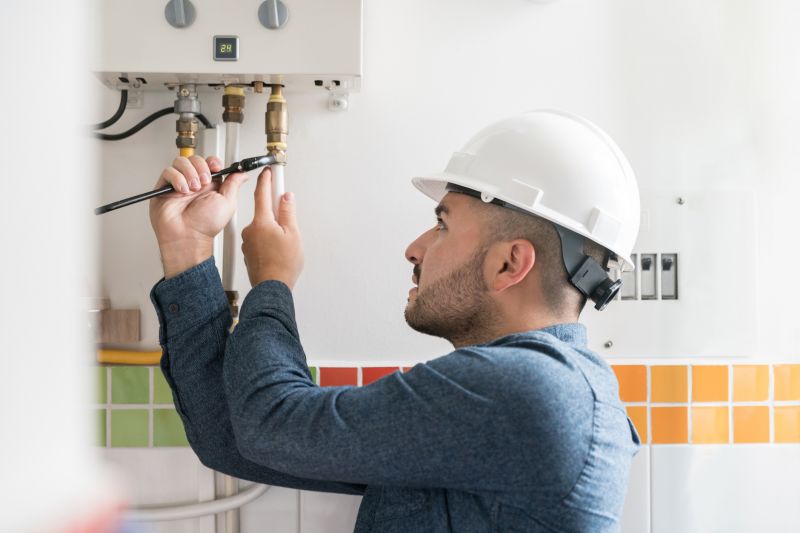
Technicians inspecting gas lines for leaks and corrosion.
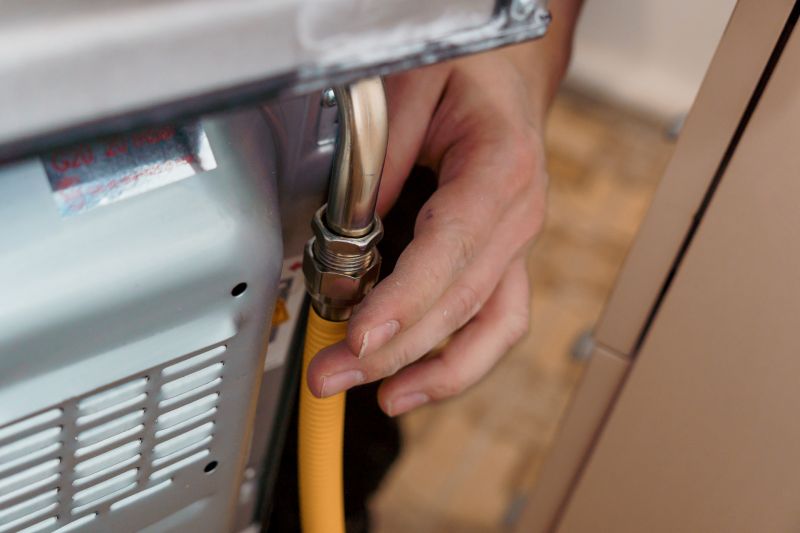
Routine maintenance to ensure system integrity.
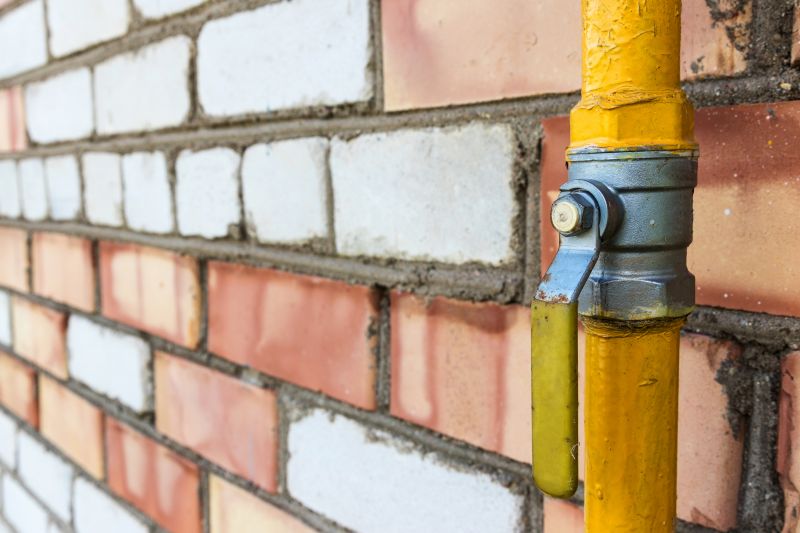
Addressing urgent gas line issues promptly.
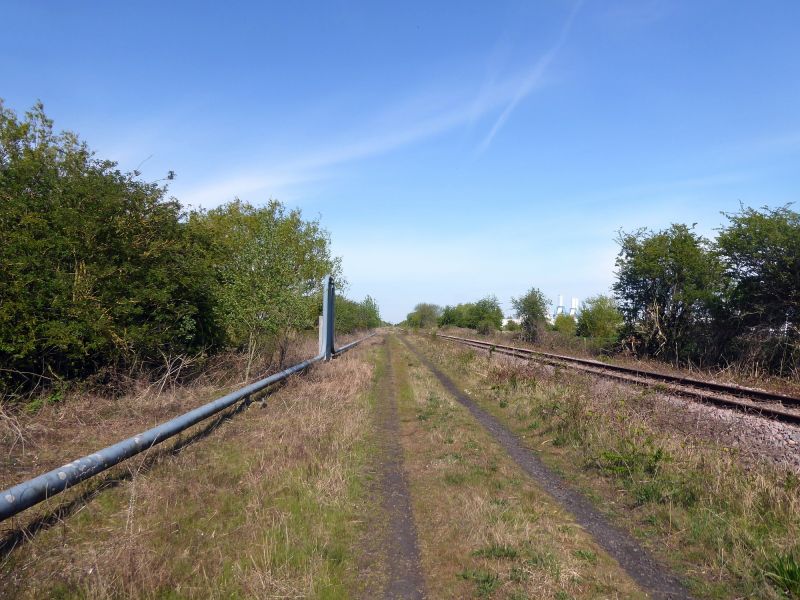
Ways to make Gas Line Service work in tight or awkward layouts.
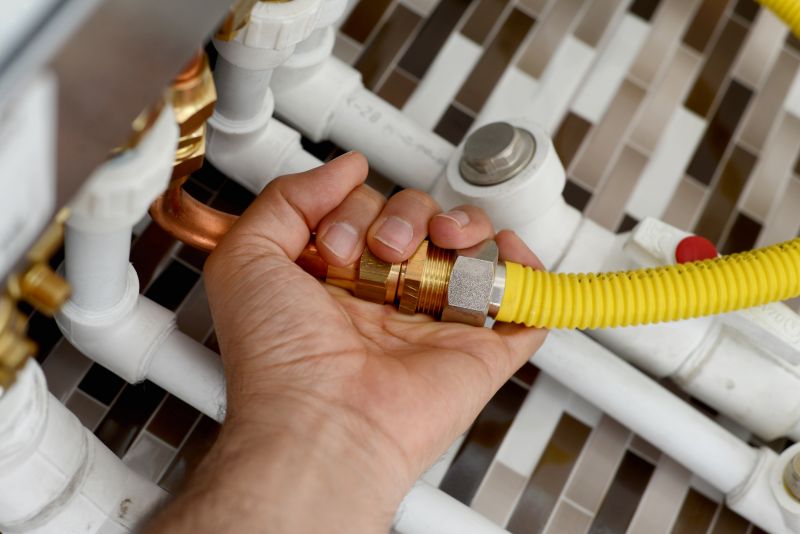
Popular materials for Gas Line Service and why they hold up over time.
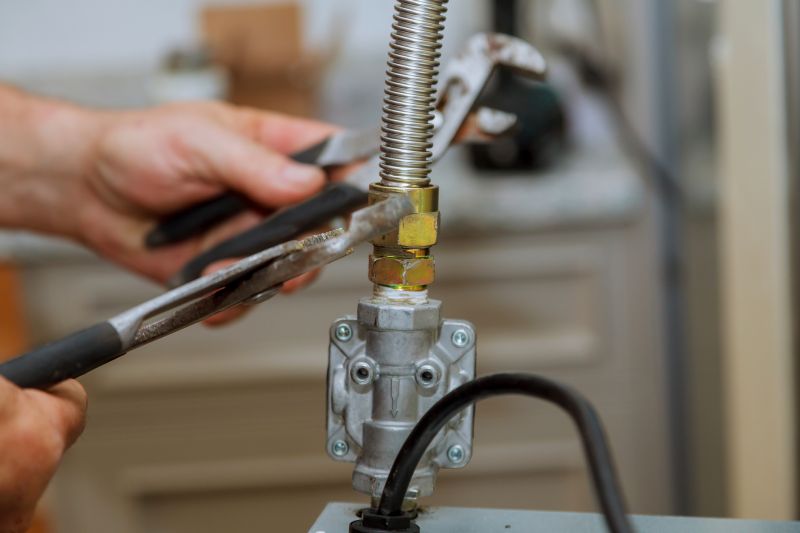
Simple add-ons that improve Gas Line Service without blowing the budget.
| Ideal Service Timing | Notes |
|---|---|
| Before winter heating season | Ensures system readiness for cold months. |
| After installation or repairs | Verifies safety and functionality. |
| During routine maintenance | Maintains system performance. |
| In response to leaks or corrosion signs | Addresses hazards immediately. |
| Pre-summer cooling and appliance checks | Prepares for increased usage. |
Gas line service involves a comprehensive approach to ensure the safety and efficiency of natural gas systems. Regular inspections can detect leaks, corrosion, and other issues that may compromise safety or cause system failure. Proper timing of these services aligns with seasonal changes and system usage patterns, helping prevent emergencies and extend the lifespan of gas infrastructure.